

Tidal Gardens, Inc. - Coral Propagation
 
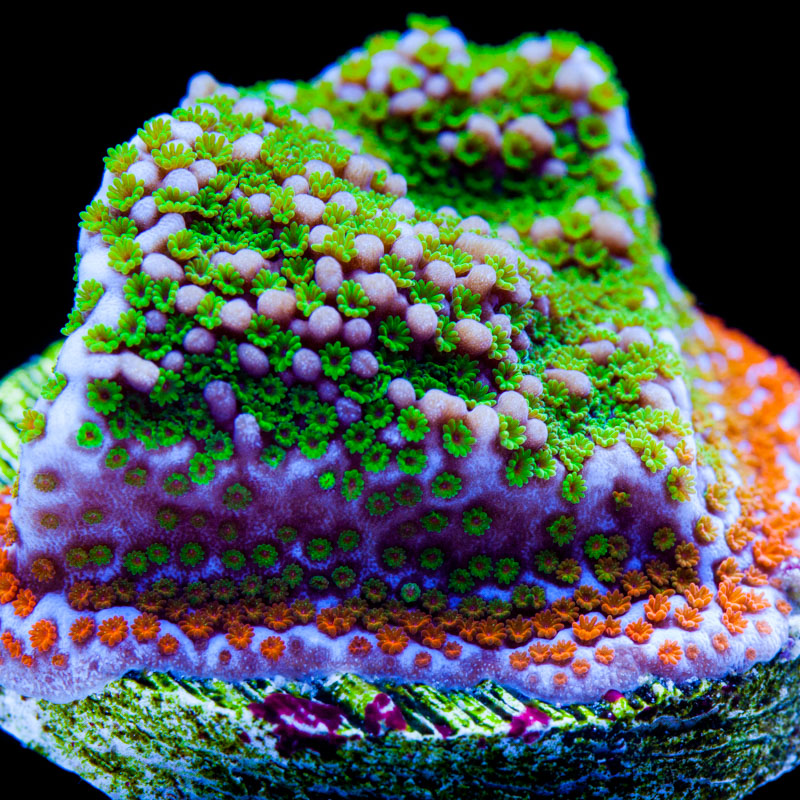
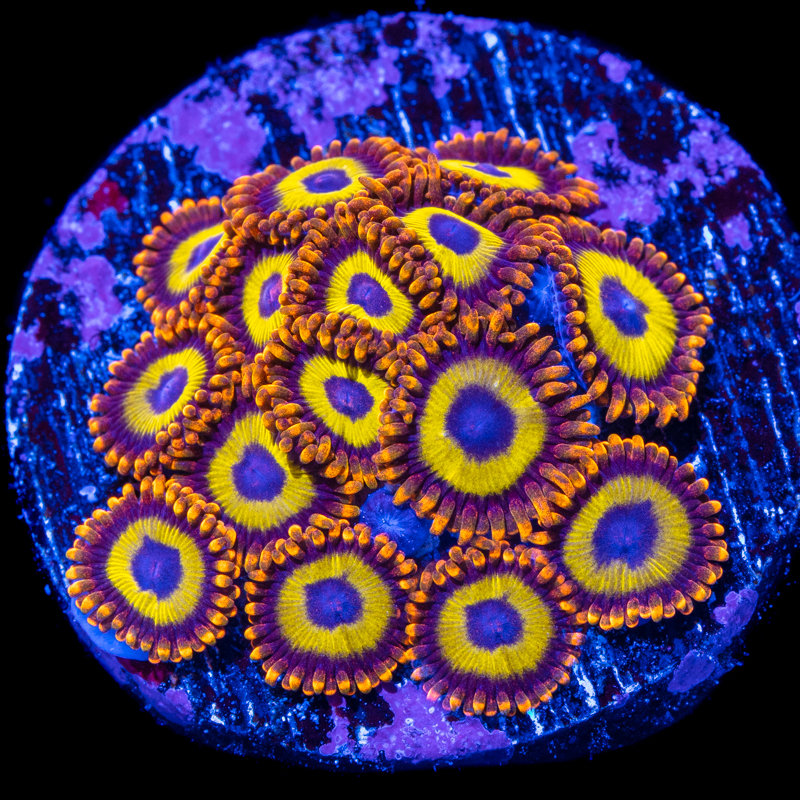
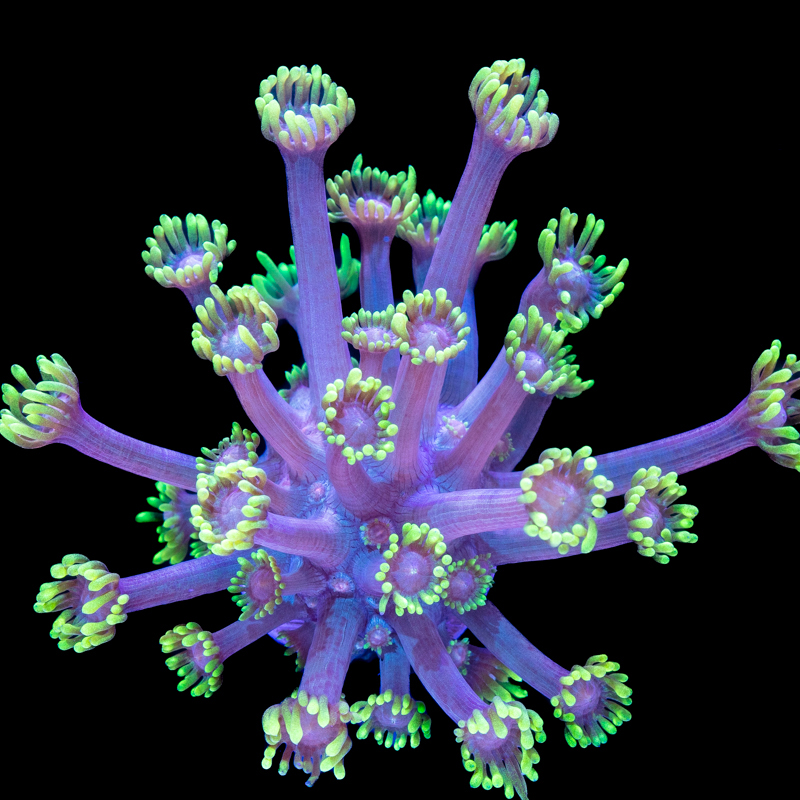
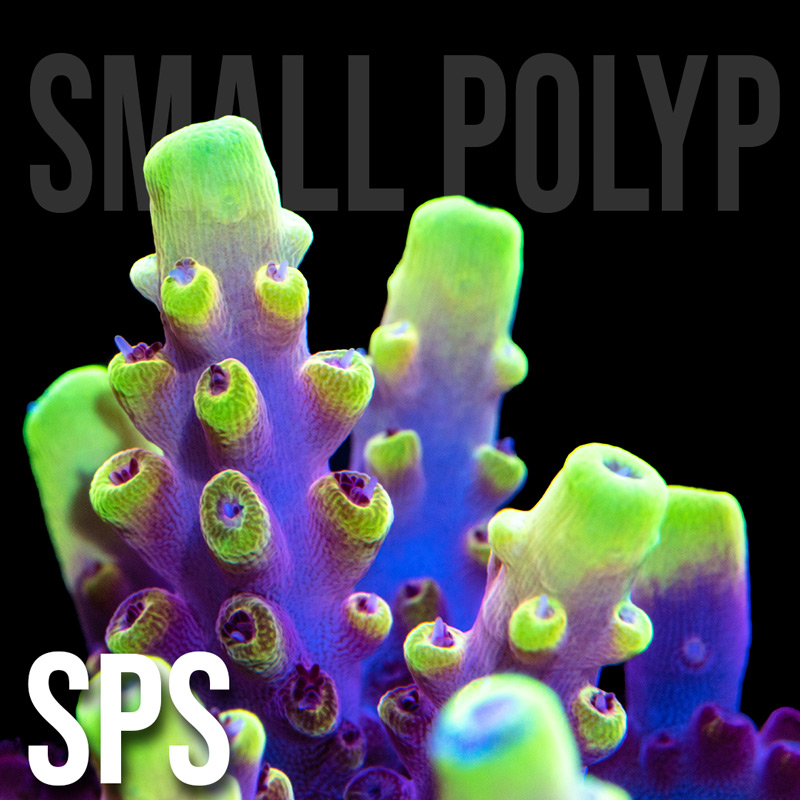
Caulastrea
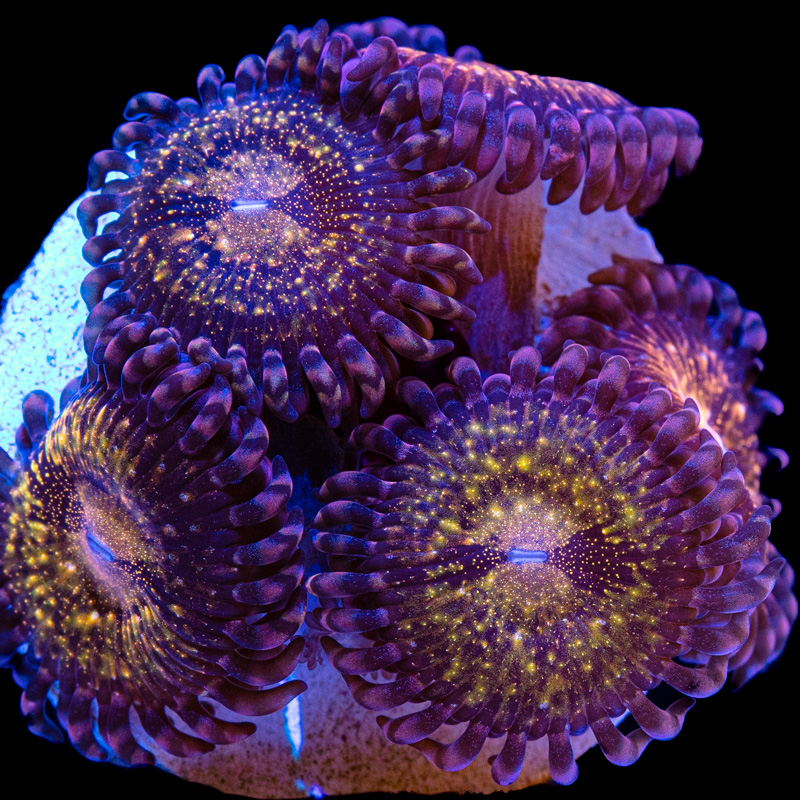
Parazoanthus
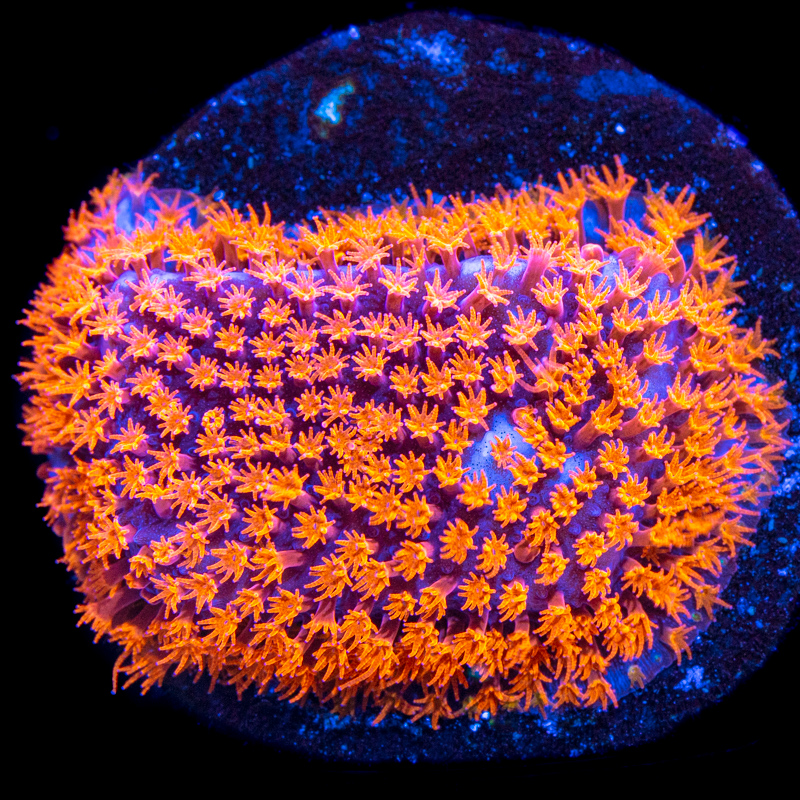
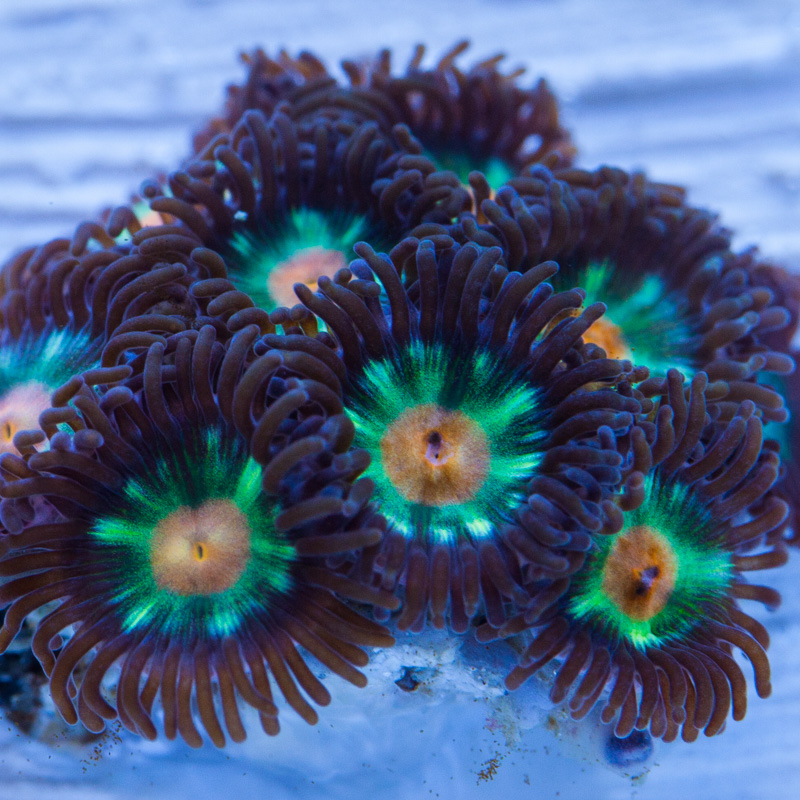
Zoanthus
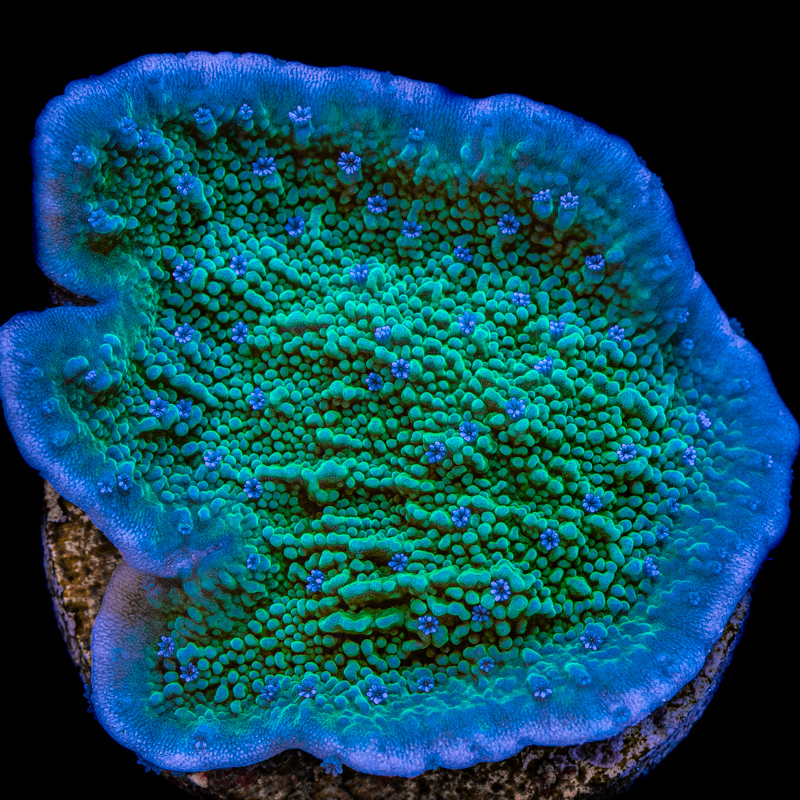
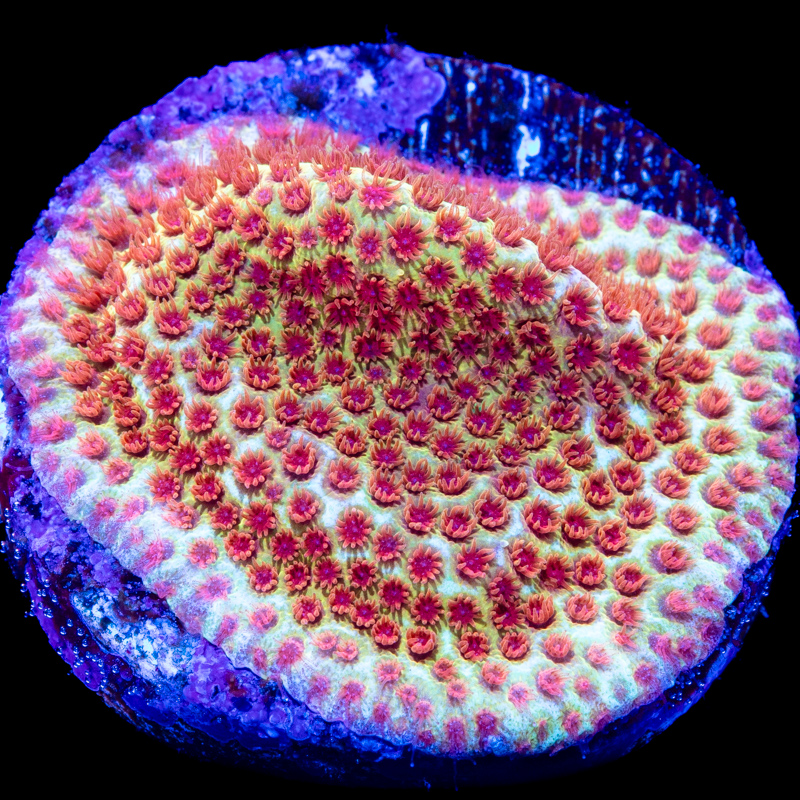
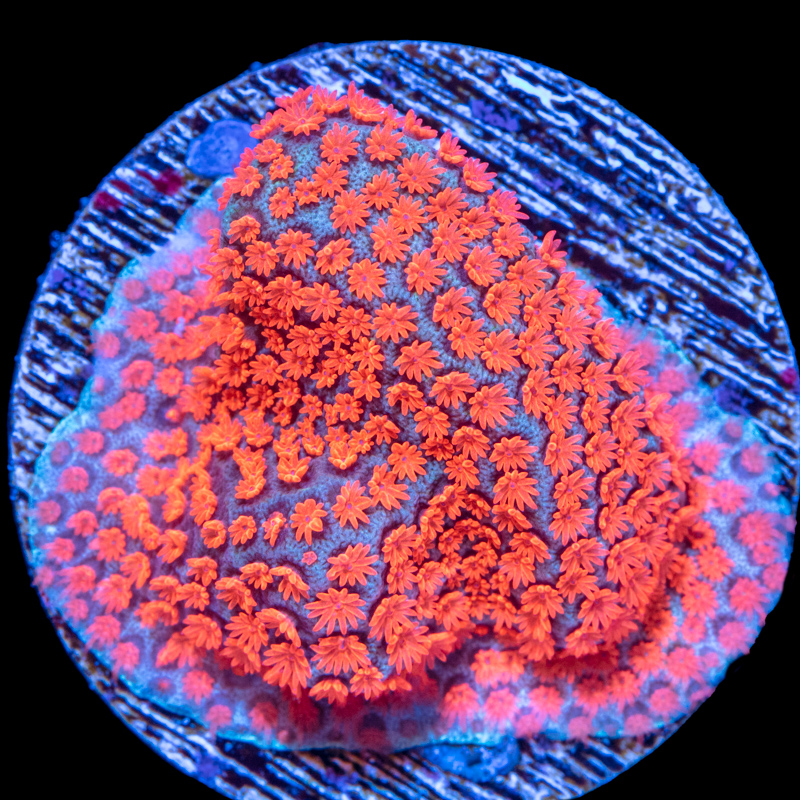
Oulophyllia
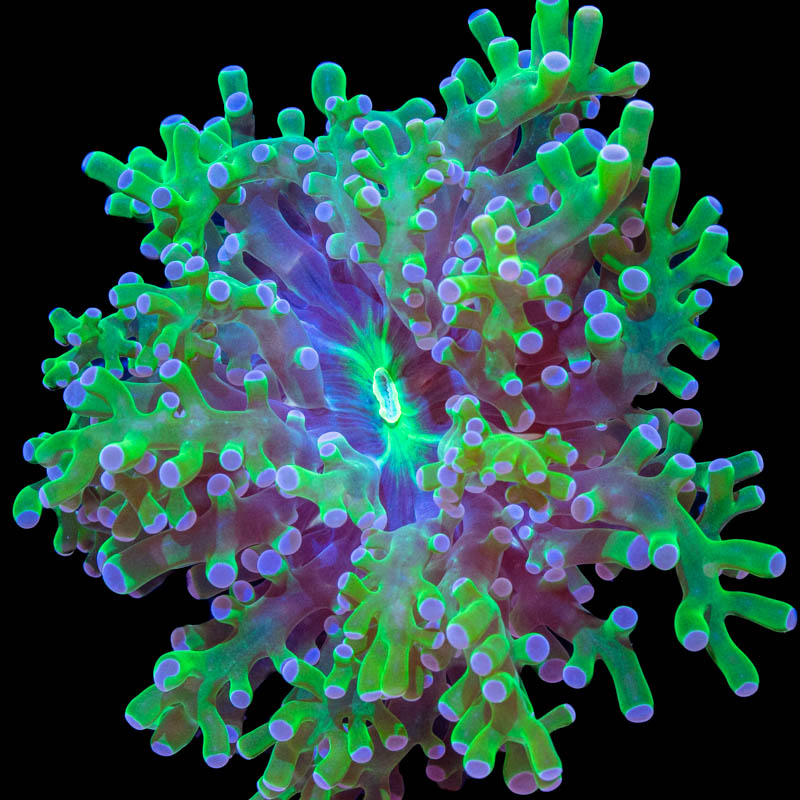
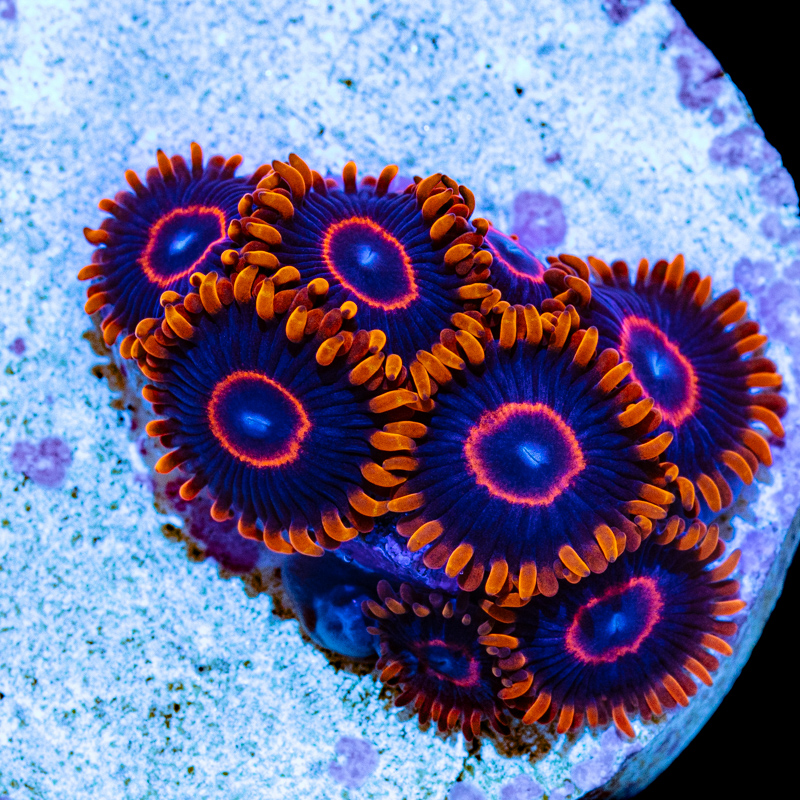
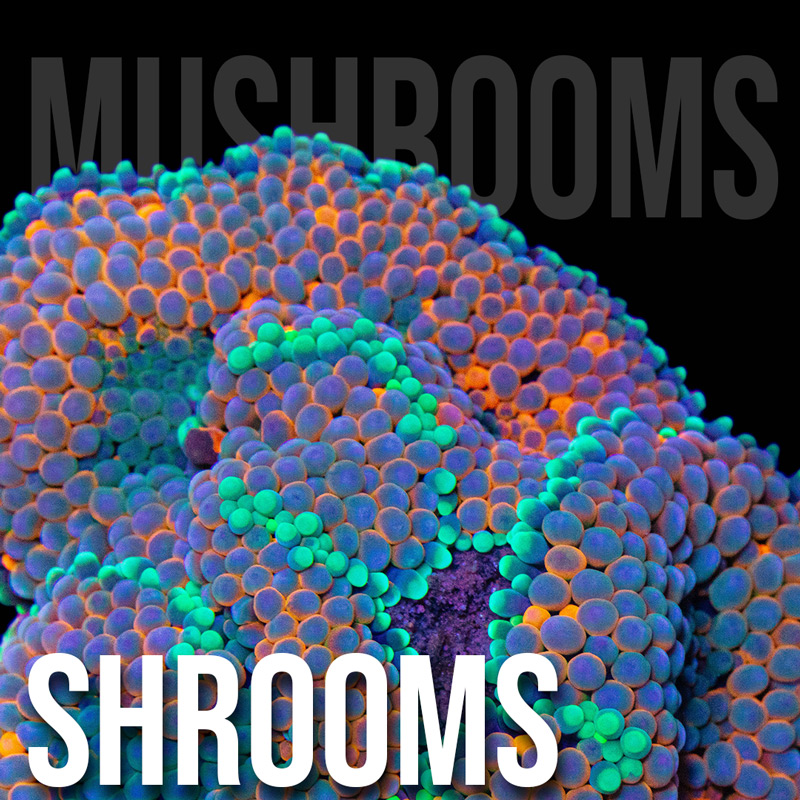
Rhodactis
Nephthea
Welcome to Tidal Gardens!
One of our show tanks.

Tidal Gardens Incorporated is a dedicated coral farming facility serving saltwater aquarium keepers everywhere. Through propagation, we supply high quality aquacultured hard corals, soft corals, mushrooms polyps, zoanthids, and gorgonians to reef aquarists with little to no impact on the natural reefs.

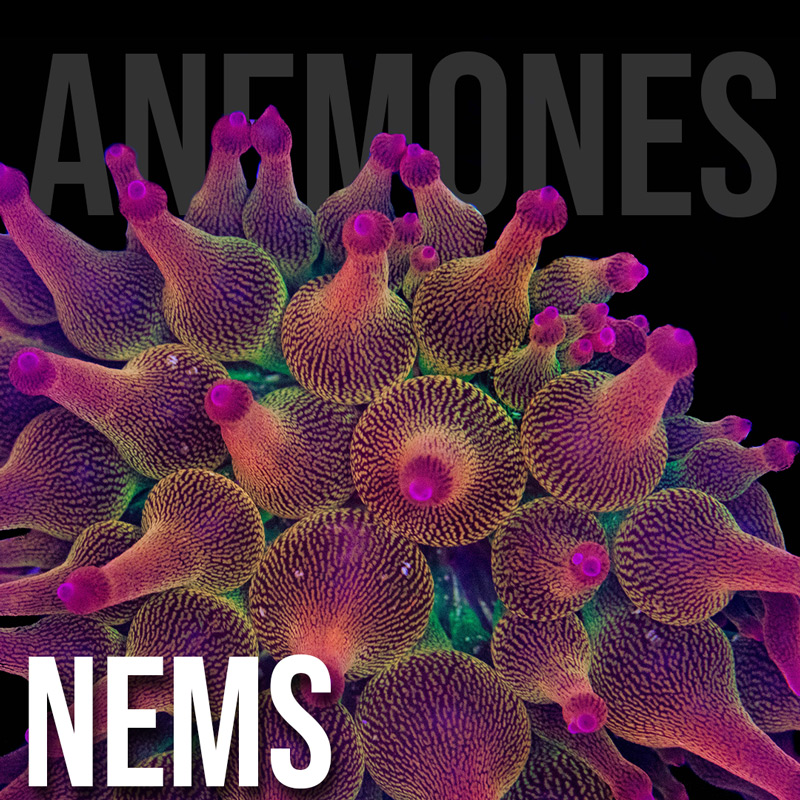
Our online store is now open! Browse our coral by clicking on the coral varieties above or search for your favorite kind of coral using the search box.

Reef aquarium keeping is a growing passion for many people. A reef tank allows us to view, in our own homes, a myriad of beautiful life forms that others can only dream of. Nowhere else on earth will you find such a diverse array of shapes and colors as you will on a coral reef. For many, a reef aquarium provides a window to an underwater world they may never see in person. The goal of Tidal Gardens is to offer the highest quality corals to those seeking a piece of that world without destroying it. We hope to instill a deep appreciation for the natural reefs and help develop a self sustaining hobby that no longer requires the collection of fish and corals.

Through aquaculture we believe this is possible.

Greenhouse Update - June 28, 2007

If there is ever a bright side to losing countless corals in a blizzard, it is the opportunity to fix all the little mistakes that only become apparent after years of operation. Before, when the systems were thriving and full of coral, things were pretty much set in stone, and no large-scale changes were possible. As unfortunate as the blizzard was, it did act as a reset switch that allowed us to go back and actually implement some changes to improve things going forward that would otherwise be next to impossible.

The major problem we've had the past three years has been heating the greenhouse in the winter. Up to this point, a central gas furnace heated both the air and tank water. Water pumps would send tank water to the heater to get warmed and then return to the systems. On the coldest sub-zero days, the water temperature would not dip below 70-degrees Fahrenheit.

There were two problems with this setup however. First, the cost of running the heater was excessive. It was not uncommon to have a monthly bill of over $1000 during the winter months. Second, this was the only source of heat, so if something were to happen to the furnace, the systems were in serious danger. The greenhouse has electrical backup however there was nothing to restart the gas furnace once its pilot light blew out. The next greenhouse setup had to remedy both of these problems.

4" thick foam insulation and wire mesh

A heated concrete floor was the most elegant solution to our heating issues. It would operate in conjunction with the main gas furnace to provide heat to the greenhouse for redundancy. Also, the method of heating is supposedly far more energy efficient, so hopefully it will reduce the gas bills to triple digits.

The construction began first with emptying the greenhouse of the tanks sitting on the ground as well as all the plants.

In the picture, a 4" foam pad was installed into the floor to provide insulation and the metal mesh laid on top.

The glass tanks are resting on concrete block pillars. They are going to remain in operation during the construction because all the live rock and remaining coral still need a place to live. While most of the coral died, a surprising number of invertebrates in the rocks survived as well as some peppermint shrimp.

Red polyethylene tubing will carry water that will heat and cool the greenhouse depending on the season.

Once the insulation and wire mesh was laid down, the red heating coils were installed. The tubing was made from polyethylene, and all these tubes converge on a central manifold.

In the winter months, heated water will flow through the tubing, which in turn will heat the concrete providing radiant heat evenly throughout the greenhouse. In the summer months, the opposite is true. Cold water from the well will flow through the tubing creating a cooling effect. The water coming out of the well is roughly 50 degrees Fahrenheit, and so far, the difference is noticeable. Before, we would experience 85 degree water on the hottest days however after the flooring was installed, the temperate in the water does not exceed 81 degrees.

Pouring cement while the reef tanks were still in operation.

As one can imagine, the tanks underwent some stress during the construction. First off, the only form of circulation was a single pump sending water to a spray bar. The skimmers were taken offline as well because they are usually installed in a maintenance tank that sits on the ground.

To further complicate things, it was blazing hot for the week or so that the floor was being installed, and it was not uncommon for the water temperature to reach almost 90 degrees Fahrenheit. Normally when the system is attached to the tanks sitting on the ground, the temperature does not rise about 85 degrees Fahrenheit.

Yes, the heating system really is that complicated.

The manifold on pictured on the left is still a bit of a mystery to me. The contractor that installed it for us admitted that it was by far the most complex installation he had ever done. I would try and explain it all, but in the end it would probably be wrong and I would just be confused. The end product is a cold floor in the summer and a warm floor in the winter. I'm happy with that, and hopefully the corals will be as well.

Lifting semi-full 125-gallon aquariums is easily the most frightening thing I've ever done in this hobby.

Once the concrete was poured and hardened, the really scary task awaited. The new floor was roughly 4" higher than the original floor. The tanks that sit on the ground are arranged in such a way that a portion of them fits under the glass aquariums. The raised floor however no longer allows the tanks to fit under the aquariums, so they must be lifted several inches. We used a very old hydraulic lift and some muscle to fit in an additional concrete block into each of the pillars. I was terrified that the glass would shatter on a number of occasions or the lift would simply fail, however neither happened thankfully.

Finally, the concrete is set and the tanks are put back in place.

At last the tanks are back in place and the systems restarted with a fresh batch of salt water. For each of the three systems, 750 gallons of new water was made.

It has been about 3 weeks since construction wrapped up and everything passed code. The tanks are stable once again with a minimal amount of nuisance algae. In the next few weeks we will be adding new stock from as many propagated sources as possible.

Although the blizzard was a major disappointment, it gave us an opportunity to improve on the greenhouse. We've often started sentences, "if we could have done this differently from the beginning we would have..." Through some unfortunate circumstances, we've actually had that chance to restart and it has turned out well.


An unfortunate event occurred on February 14th, 2007. The gas furnace that heated the greenhouse failed during a blizzard and as a result many of the corals in the reef systems died. We are in the process of repairing the damage that was done and will be slowly restocking our systems once they are stable. In the mean time, our online store will be taken offline, but the site will be available as an informational source. Thank you.

User Login
Login ID
Password


[Register]

[Forgot password?]
Shopping Cart
You must be logged in to use a shopping cart.
Featured Content
· Acclimation
· Aquaculture
· Circulation
· Filtration
· Lighting
· Our Greenhouse
· Nitrogen Cycle
· Tank Selection
· Water Quality